Why Higher Education Digital Marketing Has Become Essential for Enrollment Success

Higher education digital marketing is the strategic use of digital channels to attract, engage, and enroll prospective students. As the educational landscape grows more competitive, institutions must leverage modern tactics to reach students where they spend their time. With over 4,000 institutions competing for attention, traditional methods like brochures and college fairs are no longer enough. Today’s students follow a non-linear path, using TikTok for campus tours, ChatGPT to compare programs, and Reddit for advice before ever visiting an official website.
This digital-first approach means institutions that rely on outdated marketing risk being overlooked. Key components of a modern strategy include:
- Search Engine Optimization (SEO): Building organic visibility for program-specific searches.
- Paid Search (PPC): Capturing immediate demand for high-intent queries.
- Content Marketing: Creating valuable resources that answer student questions.
- Social Media Marketing: Engaging students on platforms like TikTok, Instagram, and YouTube.
- AI and Chatbots: Providing 24/7 support, with 60% of students now using AI chatbots.
- Website Personalization: Tailoring experiences based on visitor behavior.
This guide explores how to build an integrated, data-driven approach that guides students from initial curiosity to final enrollment.

The Modern Student Journey: Challenges in a Digital-First World
The landscape of higher education digital marketing has transformed, and institutions are scrambling to keep pace. With over 4,000 colleges competing for attention in the U.S. alone, the challenge is understanding how today’s students find and choose their schools.
The modern student journey is almost entirely digital. This shift brings increased competition as institutions compete nationally and internationally for the same digitally-savvy students. Budget constraints add another layer of complexity, as marketing departments are asked to do more with less. Meanwhile, the evolving student search journey has become increasingly non-linear, making it harder to predict student decisions.
Perhaps most importantly, adapting to AI search is essential. Students are no longer just typing keywords into Google; they’re having conversations with AI chatbots and getting instant answers from generative AI tools like ChatGPT. This means traditional marketing funnels are being replaced by a more fluid, impression-driven findy process. The digital channel importance cannot be overstated, as students form opinions long before visiting an official website. Understanding these behaviors starts with researching your audience beyond traditional demographics.
How Student Search Has Evolved
The shift from college fairs to Google searches was just the beginning. Today’s students watch TikTok campus tours, read Reddit threads for unfiltered opinions, and get AI-generated summaries comparing institutions. This creates zero-click experiences, where students get answers without clicking through to websites. The decision-making process is incredibly fluid, with students jumping between platforms in ways traditional marketing attribution can’t track.
Statistics tell a compelling story: students rank official college social media channels as a top resource, and 60% now use AI chatbots during their search—a significant jump from 49% a year ago. The percentage using chatbots to explore college options has nearly doubled from 17% to 32%. This impression-driven findy means institutions must be present across multiple touchpoints, as each interaction shapes perception.
Primary Challenges for Institutions
Cutting through digital noise is the primary challenge. With thousands of institutions competing online, creating content that resonates requires creativity and strategy.
Other significant problems include:
- Demonstrating value and ROI: In an era of rising costs, institutions must articulate why their programs are worth the investment, especially for vocational schools.
- Keeping up with algorithm changes: Search and social media algorithms demand constant adaptation, requiring agile marketing teams.
- Siloed marketing departments: Lack of coordination leads to inconsistent messaging and missed opportunities for integrated campaigns.
- Proving marketing ROI to leadership: Connecting marketing activities directly to enrollment requires sophisticated tracking and attribution models.
- Technical issues: Poor website performance can ruin a first impression. A slow-loading site will send prospective students to competitors, which is why addressing issues like why is my website loading so slowly is critical.
Essential Strategies for Higher Education Digital Marketing
The modern student journey demands an integrated approach. When prospective students bounce between TikTok, AI chatbots, and official websites, your higher education digital marketing efforts must work together to create a unified experience that guides them from curiosity to enrollment.

This full-funnel approach recognizes that students collect impressions and build trust over time. For vocational schools and career colleges, this integrated strategy is even more critical. Prospective students have specific career goals and are discerning about which program delivers results. Partnering with a specialized Digital Marketing Agency can help craft strategies that speak directly to these focused individuals.
Leveraging SEO and SEM to Drive Enrollment
Visibility across all channels where students ask questions—from Google to ChatGPT—directly impacts enrollment. Effective SEO forms the backbone of long-term visibility, building credibility before a student even clicks. However, with AI tools like Google’s AI Overviews providing instant answers, content must be structured to appear in these zero-click summaries.
Paid search (PPC) fills the gaps, ensuring your programs remain visible when algorithm changes impact organic reach. The magic happens when organic and paid search work together: SEO builds authority over time, while paid ads capture immediate demand. Success rests on four pillars: Technical SEO (fast, mobile-friendly site), On-Page SEO (clear content structure), a Content Strategy that answers real student questions, and Authority Signals (faculty credentials, success stories) to build trust. For career-focused institutions, an SEO Agency for Small Businesses can highlight outcomes students care about most, like job placement rates and certifications.
The Role of Content Marketing in Attracting Students
Content marketing shows, not just tells, what makes your institution special. It bridges a student’s initial interest and their confidence in choosing your program.
- Storytelling brings programs to life. Share how a graduate turned their passion into a business, helping prospects envision their own success.
- Program pages should be destination resources, detailing what students learn, the equipment they’ll use, and where graduates work.
- Faculty bios showcase real-world expertise, building confidence that students learn from industry professionals.
- Student success stories and career outcome data serve as powerful proof points, answering the question: “Will this program help me achieve my goals?” Highlighting achievements like Collins College Named 5 Hospitality School in the World boosts credibility.
- Blog posts, videos, and virtual tours answer common questions and give students a feel for the learning environment, which is crucial for hands-on programs.
Social Media Best Practices for Higher Education Digital Marketing
Students use social media as search engines and research tools. Your strategy must provide value at every interaction.
- Platform Selection: Be strategic. Use Instagram and TikTok for visual storytelling and campus culture, YouTube for in-depth tours, and LinkedIn for graduate and career-focused programs.
- Social Search Optimization: Students search on social platforms. Use natural language and relevant hashtags so your content is findable.
- User-Generated Content (UGC): Authentic content from current students builds trust and emotional connection far more effectively than polished marketing materials.
- Community Management: Transform social media into a conversation. Responding to comments and questions shows your institution cares about individual students.
- Paid Social Advertising: Target students precisely based on interests, location, and online behaviors. Our Instagram Marketing for Business approach recognizes that social media is an essential resource for today’s students.
The Future is Now: Emerging Trends and Personalization
Embracing emerging trends in higher education digital marketing is about meeting students where they are and how they want to interact. Today’s prospects expect their college search to be as intuitive as any other digital experience: instant, personalized, and interactive.
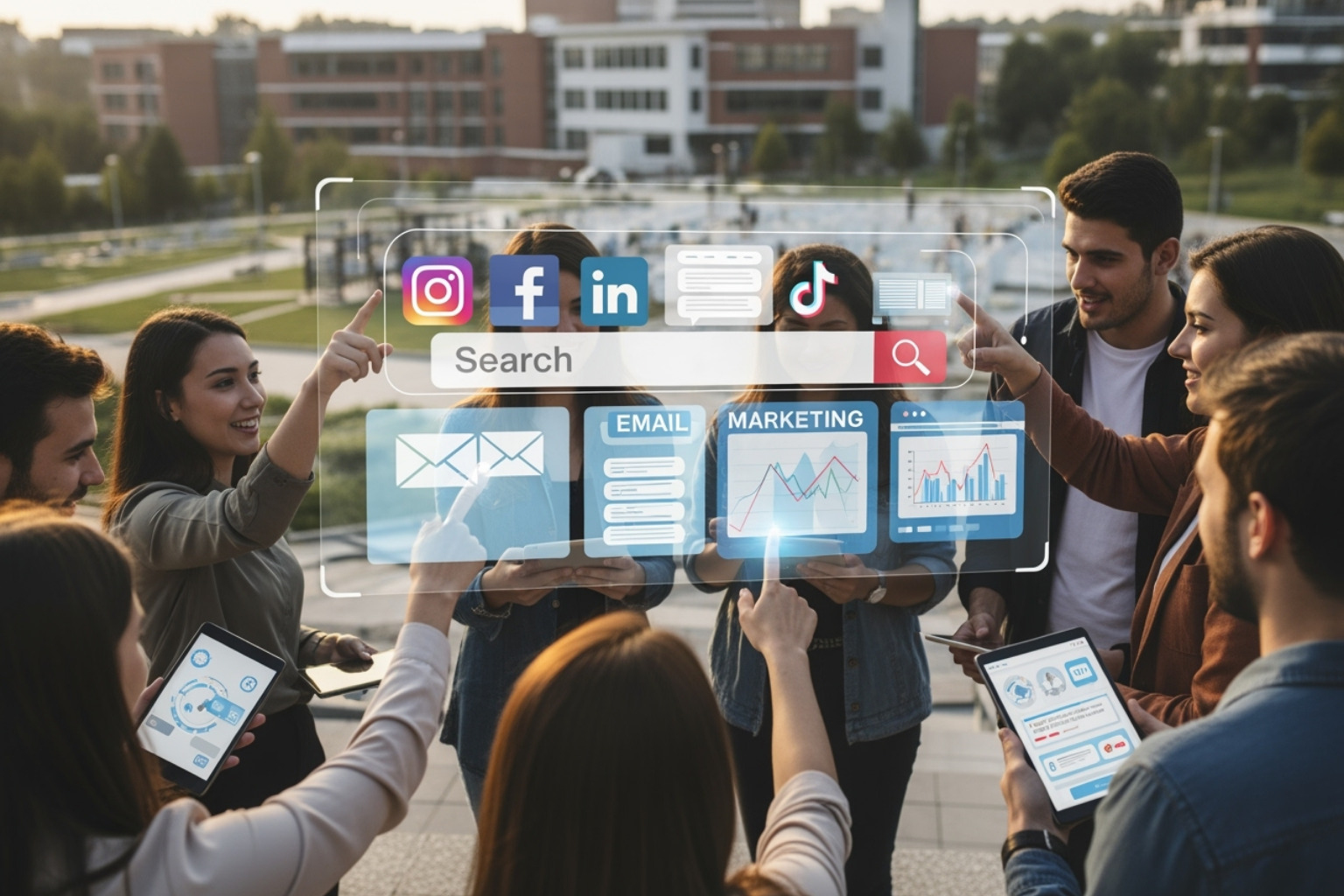
This shift toward AI-powered interactions and data-driven personalization is the new frontier of student engagement. When used thoughtfully, these technologies create deeper connections and provide more meaningful support. Tools like an AI Salesperson can handle initial inquiries, freeing up your team to focus on building relationships with serious prospects.
AI, Chatbots, and the Rise of Conversational Marketing
AI-powered chatbots have become essential. Statistics show 60% of students now use AI chatbots, and the percentage using them to explore college options has nearly doubled from 17% to 32%. Their primary appeal is 24/7 availability, ensuring you never miss an opportunity to engage an interested student, even after hours.
Modern chatbots do more than answer FAQs; they can guide users through complex processes and pre-qualify leads for your admissions team. The broader AI revolution is also driving a shift toward zero-click experiences, where tools like Google AI Overviews provide answers directly in search results. Your content must be structured to feed these AI systems accurate information. AI allows for personalizing communication at scale, tailoring messages based on a student’s specific interests and stage in the decision-making process.
Adapting Strategies for Different Student Demographics
A one-size-fits-all approach to marketing will fail. Different student types have unique motivations and research habits.
- Undergraduate prospects are often interested in campus life and social opportunities, while their parents focus on academics and career outcomes.
- Graduate students are more analytical, researching faculty credentials, research opportunities, and return on investment.
- International students have practical concerns like visa requirements and cultural support services.
- Vocational and technical college prospects focus on practical outcomes. They want to see clear pathways to a career and ask about certification speed, job placement rates, and employer hiring trends. Highlighting hands-on training and job placement rates is critical.
- Career colleges and specialty schools must speak the language of their target trades. Our Local Online Marketing strategies are effective for these institutions, as many students prefer to train close to home.
Recognizing that each demographic requires its own approach, messaging, and channels is key to developing effective campaigns.
Measuring Success and Proving Value
In higher education digital marketing, measuring success and proving value is essential for securing budgets and justifying strategies. Leadership needs to see clear connections between marketing efforts and enrollment numbers. The advantage of digital marketing is that nearly everything can be tracked, measured, and analyzed, providing clear insights into what’s working.
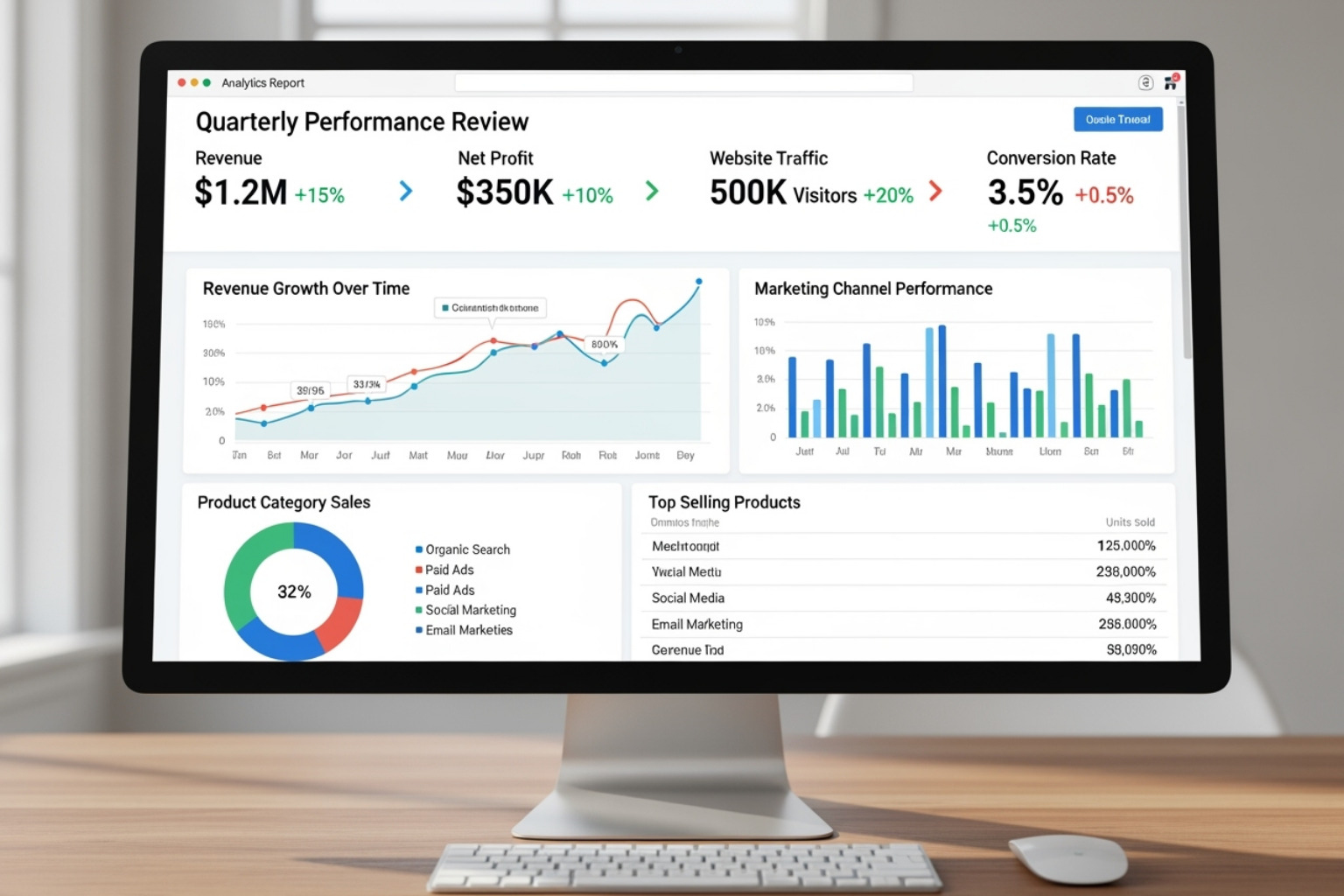
Unlike traditional advertising, digital campaigns offer data that connects spending to results. For institutions looking to dig deeper, exploring Usability Studies for Educational Institutions can provide invaluable insights into user behavior.
Key Metrics to Track for Success
Focusing on vanity metrics like post likes is a common mistake. Instead, track metrics that directly impact enrollment.
- Cost per Inquiry (CPI) and Cost per Application: These tie marketing spend directly to lead generation and serious applicants.
- Enrollment Rates: The ultimate metric, this shows the percentage of inquiries or applications that become enrolled students.
- Website Engagement: Track visits to key program pages, admissions sections, and career outcome information. Conversion rates measure how effectively your site turns visitors into leads.
- Micro-conversions: Tracking form fills, virtual tour views, and application starts provides insight into the student journey.
- Lead-to-Enrollment Ratio: This measures the efficiency of your entire funnel, from first contact to first day of class.
- Attribution Across Channels: Understand which channels (Google search, social media ads, etc.) are most effective at driving enrollment to optimize your budget. Understanding How a Usability Can Help You can improve your website’s conversion performance.
Comparing Traditional vs. Digital Marketing in Higher Education
Traditional marketing served higher education for decades, but digital has fundamentally changed the game. While traditional marketing is like broadcasting with a megaphone, higher education digital marketing is like having personalized conversations with the right students at the right time.
| Feature | Traditional Marketing (e.g., Brochures, Print Ads, Radio) | Digital Marketing (e.g., SEO, Social Media, PPC, Email) |
|---|---|---|
| Reach | Broad, often localized (e.g., local newspaper) | Global, highly scalable |
| Targeting | General audience, limited demographic targeting | Hyper-targeted (demographics, interests, behavior, location) |
| Cost-Effectiveness | Can be high, difficult to measure direct ROI | Often more cost-effective, precise budget control |
| Measurability | Difficult (e.g., “how did you hear about us?”) | Highly measurable (clicks, conversions, ROI) |
| Student Engagement | One-way communication, passive consumption | Interactive, two-way communication, community building |
| Speed/Agility | Slow to implement and adapt | Real-time adjustments, rapid deployment |
| Personalization | Generic messaging | Highly personalized content and experiences |
This precision is especially valuable for vocational and trade schools, allowing you to connect with people actively seeking specific career paths.
Why Higher Education Digital Marketing Drives Enrollment Success
The landscape of higher education digital marketing has fundamentally changed. The old playbook of brochures and college fairs is obsolete. Today’s students follow a non-linear, impression-driven path across TikTok, AI chatbots, and Reddit, often forming opinions through zero-click experiences before ever visiting an official website.
To thrive, institutions need an integrated, student-centric strategy. This digital ecosystem requires:
- SEO and SEM to ensure visibility when students are actively searching.
- Content marketing to tell your story, showcase success, and build trust.
- Social media marketing to engage students authentically on their preferred platforms.
- Emerging technologies like AI and personalization to offer responsive, custom experiences.
Adaptability is the thread that ties it all together. Strategies must be agile, data-driven, and focused on delivering value as platforms and student behaviors evolve.
For vocational schools, career colleges, and other specialty institutions, this digital shift is especially critical. Your students seek practical skills and clear pathways to employment. Your digital presence must emphasize hands-on training, job placement rates, and the tangible return on their investment.
Navigating these complexities alone is overwhelming. At Brain Jar, we understand the unique challenges facing specialty schools. We help institutions boost enrollment through custom strategies spanning web development, SEO, social media, video production, and paid advertising. We know how to craft digital strategies that speak directly to your specific audience, whether they’re training to be a truck driver or a culinary artist.
Ready to stop playing catch-up? The digital landscape isn’t slowing down, but you don’t have to steer it alone. Start building your future-proof marketing strategy with a local digital marketing agency that understands your students’ needs.